
in person
with John Markland
may 20th - july 8th
Most actors don’t fail because they lack talent.
They fail because they’ve learned to be careful. And careful, in this work, is a slow death dressed up as professionalism. You break it down. You find the beats. You make strong, intelligent choices and you show up prepared, present, and safe. And safe is the one thing no one in that room will remember.
The actor who can be anticipated has already been let go, even when the room doesn’t know it yet. When you give them something that fits neatly into what a scene like this is supposed to look like, they file it. They move on. You did the job. You just didn’t do anything that will make them pause and sit silently before starting their car to drive home.
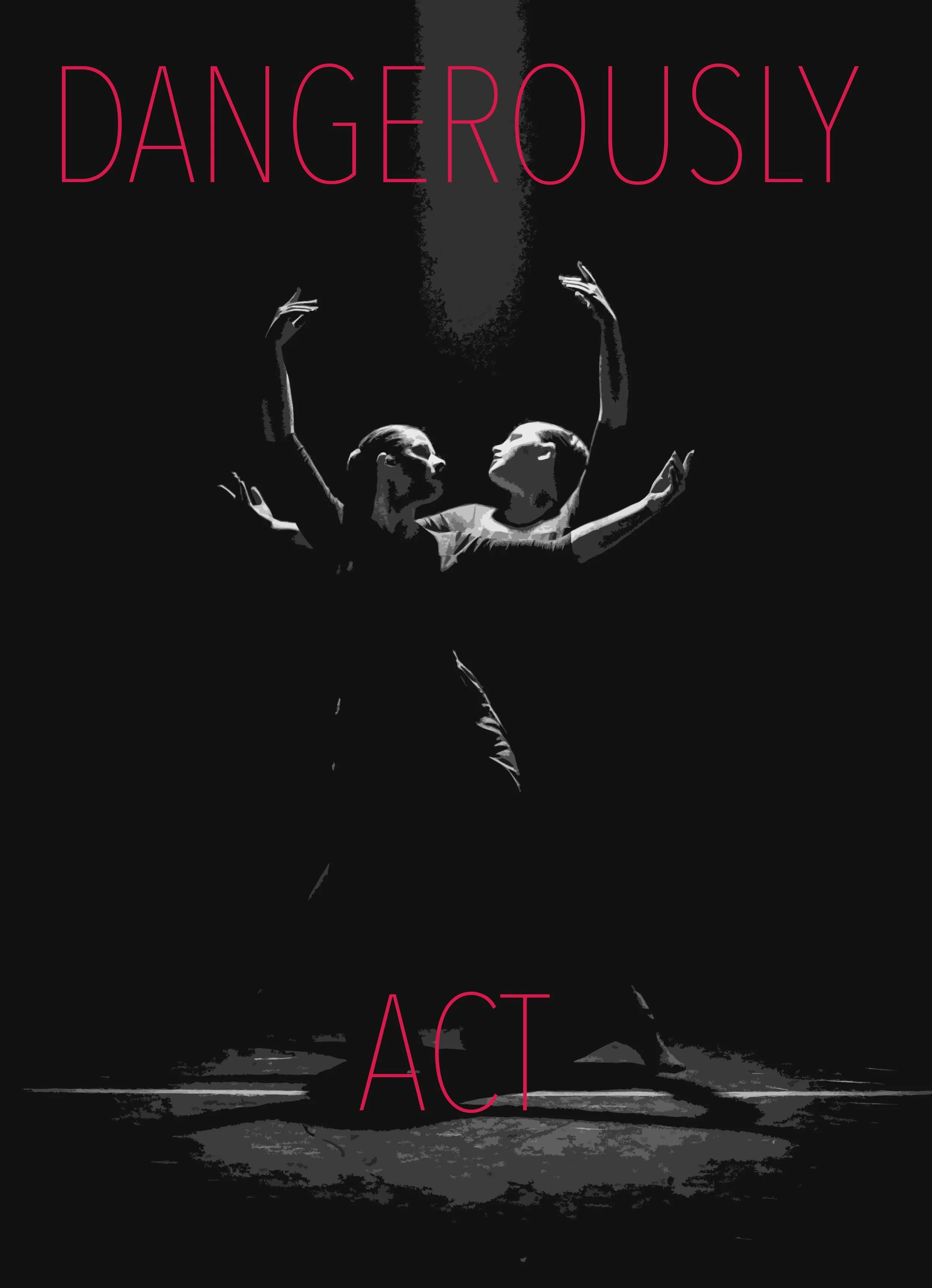
Acting dangerously is not recklessness. It is not chaos. It is the willingness to go where the scene resists its own obvious reading, to find the place where grief arrives as laughter, where love arrives as cruelty, where the most devastating thing in the room is spoken the most quietly. To follow the current running beneath the text into territory no one expected, including you. That is where the performance stops being recognizable and starts being necessary. That is the actor the camera finds and cannot leave.
This is an eight-week, in-person scene class built for the working actor who is ready to stop playing it smart and start playing it true.
We begin with contradiction, the entry point to every dangerous and alive choice. The moment where behavior refuses to match circumstance, where the character’s inside and outside diverge so completely that something undeniable happens in the room. That gap is where the audience leans in. We learn to find it, to trust it, to build an entire performance from inside it.
From there, point of view. Not a concept you apply but a lens you inhabit, the deeply specific way your character filters the world, what they notice that no one else would, what they refuse to see that everyone else can. When point of view is truly lived, your logic as the character becomes inevitable. No one else could arrive at this scene the way you do. That is what makes you irreplaceable.
We work subtext as the true event. The conversation beneath the conversation. The thing the character is almost saying, has already decided but cannot yet admit, is saying entirely without words. The text is what they manage to get out. The subtext is what is truly happening. You will learn to play the latter while honoring the former, and the tension between those two things is where the scene catches fire.
We will read ritual and status, the invisible architecture of power and need running beneath ordinary dialogue. Who holds the room. Who surrenders it. The unspoken negotiations happening before a word is spoken. Audiences feel this without being able to name it. It is the difference between a scene that has atmosphere and a scene that has danger.
We will follow impulse. The instinct you almost didn’t trust. The choice your body knew before your mind could talk you out of it. We will train that instrument until following it feels more natural than suppressing it. Until the choices you were once afraid to make become the ones you cannot imagine withholding.
By the time we’re done you will not be a more polished version of who walked in. You will be sharper. Wilder in the best sense. More specific, more present, more willing to go somewhere unexpected and stand there with complete conviction.
The goal is not interesting work. The goal is work that cannot be ignored, cannot be predicted, and cannot be forgotten. The kind the director leans into. The kind the audience carries home in their chest. The kind that refuses to leave after you do.